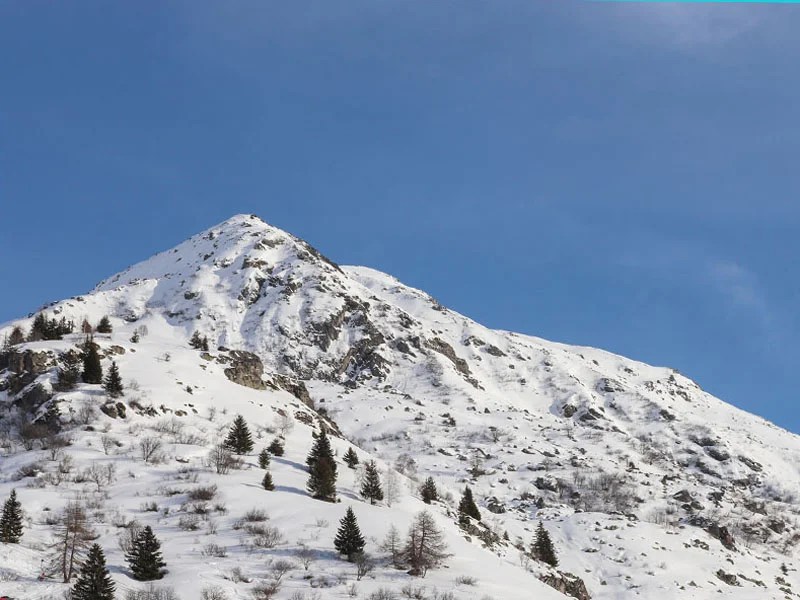
Κουβαλάνε το καύσωνα μαζί τους τα γεράκια. Μας ξανοίγουν απο ψηλά στα βουνά τα αγρίμια.
Αλλά η ισχυρή Θεά τα πάντα επιβλέπει. Είτε παιδί, είτε λουλούδι, όλα τα προστατεύει.
Transliteration
Kouvaláne to káfsona mazí tous ta gerákia Mas xanoígoun apo psilá sta vouná ta agrímia.
Allá i ischyrí Theá ta pánta epivlépei. Eíte paidí, eíte louloúdi, óla ta prostatévei.
English Version
Falcons¹ bring the heatwaves along with them. Kri-kri goats² observe us from the mountain.
But our fierce Goddess looks over everything. She protects it all, flower³ or offspring.
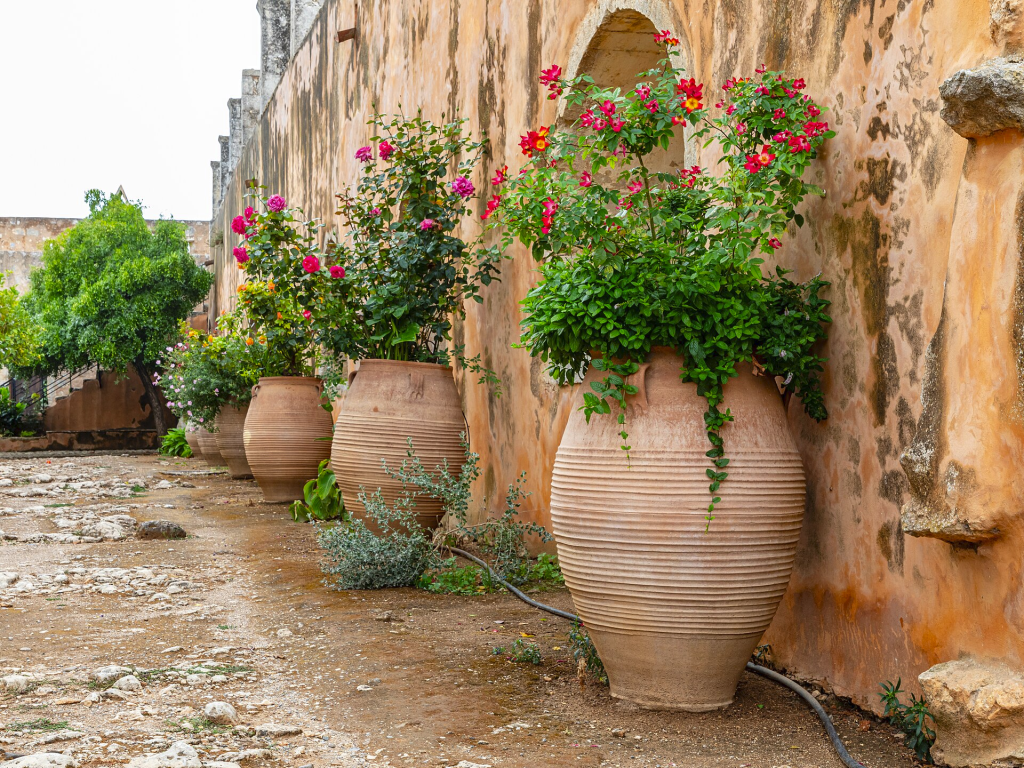
taken in Rethmyno Regional District, Crete via Wikimedia Commons
Footnotes
Eleonora’s falcons are migratory and arrive in Crete around this time to breed on the coastal cliffs and offshore islets of Crete. As an indigenous Mediterranean raptor, the species has nested along the Aegean for thousands of years.
Crete’s famous endemic wild goat. June is a very active time for them.
Some of the main flowers on the island around this time are oleander and rockrose.
Unless you’re a tailor or good at sewing, replicating the exact look of a Minoan woman may not be impossible, but it would certainly pose a challenge. You can find some of my own budget-friendly renditions here. But there are ways to achieve the overall essence of this ancient Aegean look, which is what I’ll be diving into in this article. You may even already have some similar items in your closet! And if you are an avid sewer unlike myself, then I highly recommend this amazing tutorial for both women’s and men’s Minoan outfits by Daisy Viktoria.
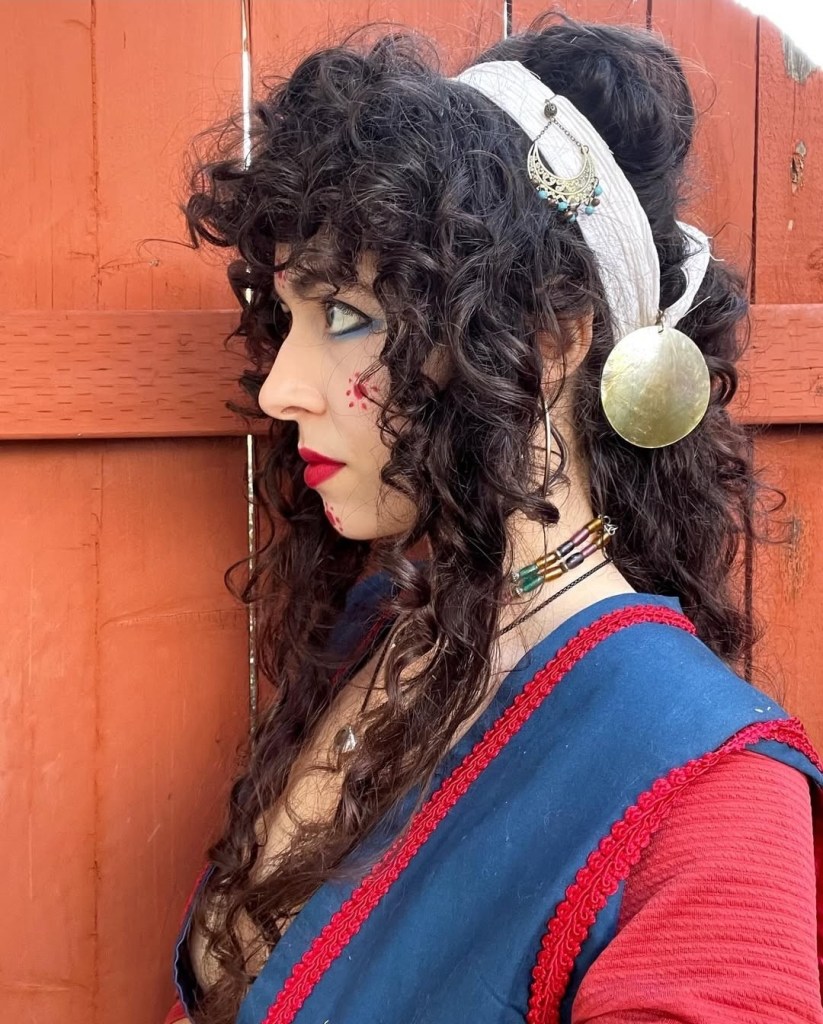
an impressive example of a Minoan/Mycenaean-inspired look by Greek cosplayer Persephonaae on IG
The Minoan Skirt
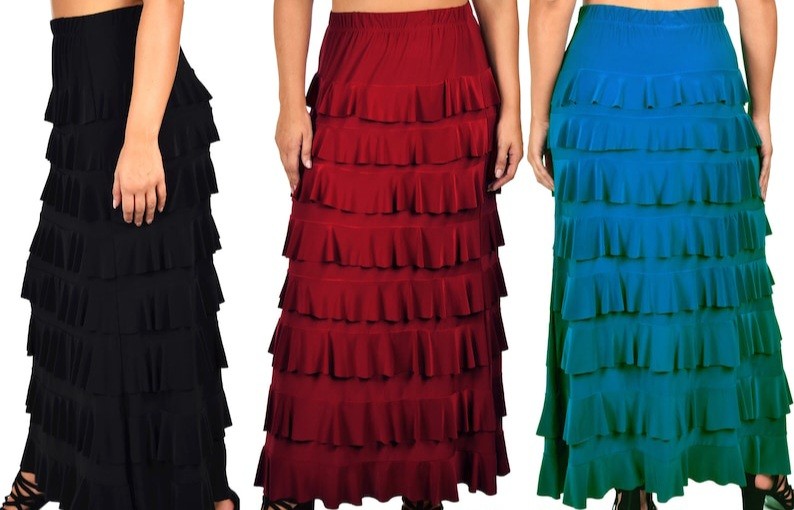
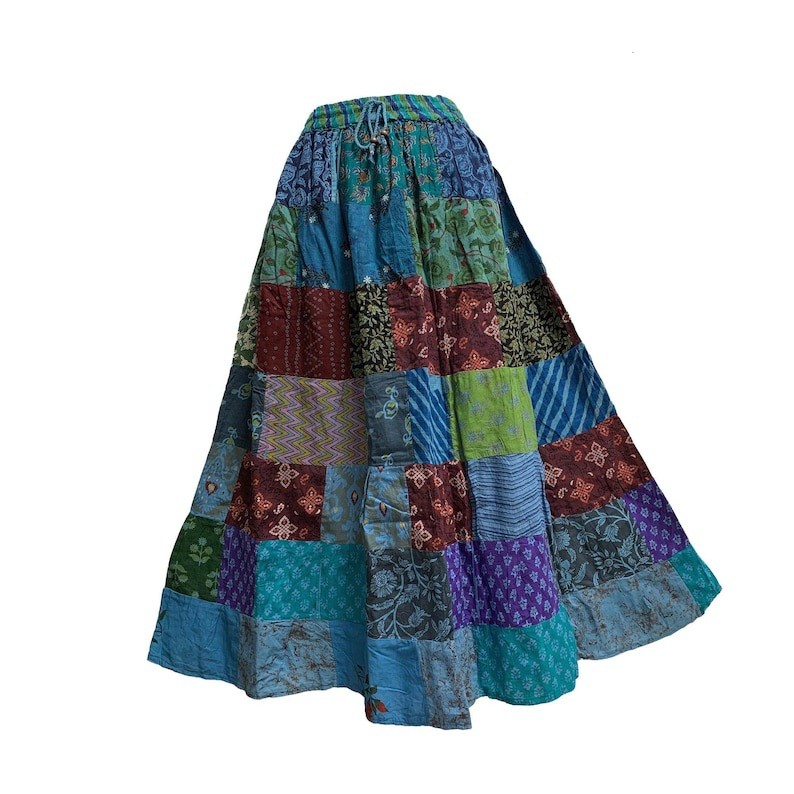
The biggest statement piece is the long flounced/pleated skirt. When looking for a long skirt, the main keywords would be maxi, tiered, layered, waterfall, ruffled, and multicolored.
While these options by Plus or Bust aren’t multicolored, they have the tiered ruffle appearance.a patchwork skirt by Ojas Kirti Creation can fit the bill, too!
The Minoan Bodice
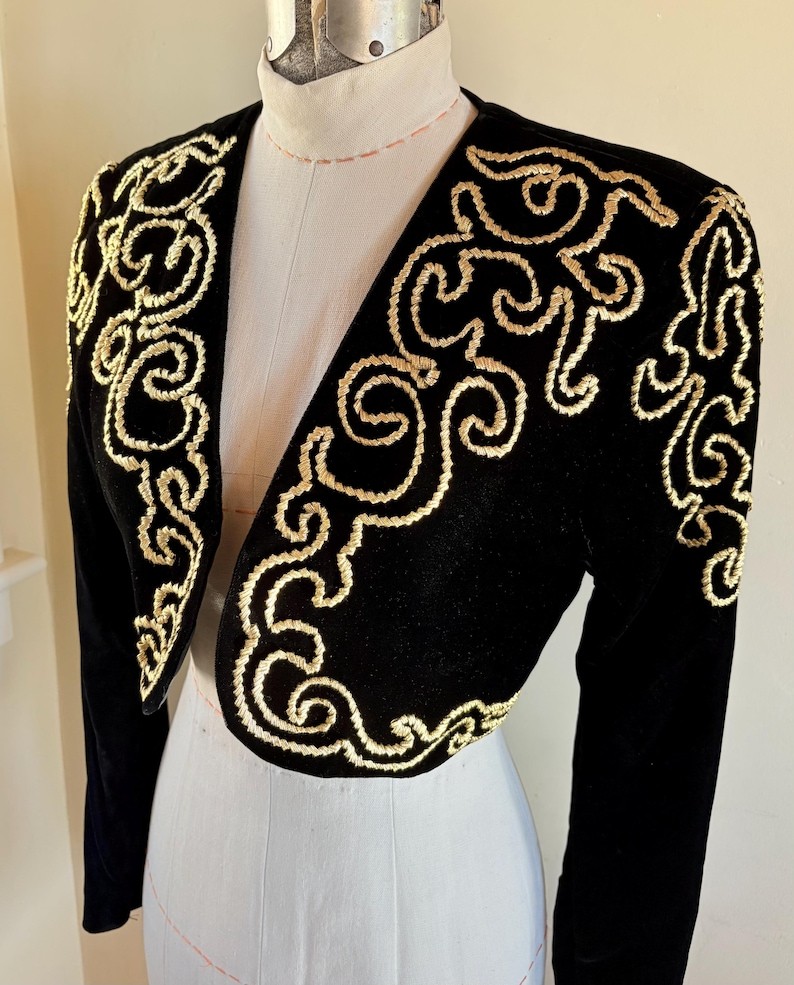
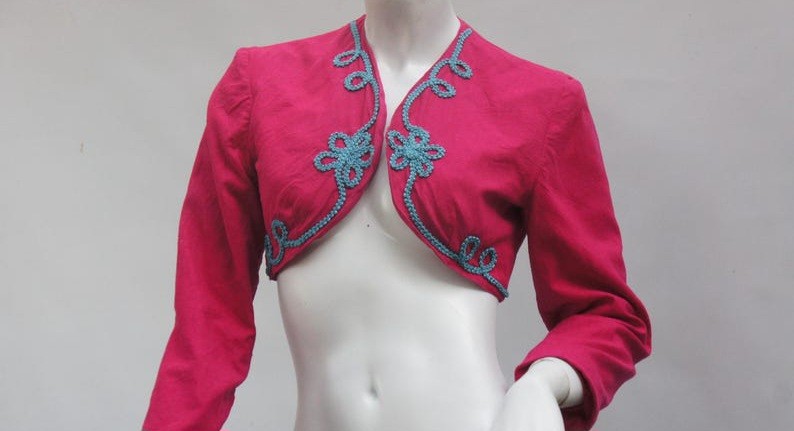
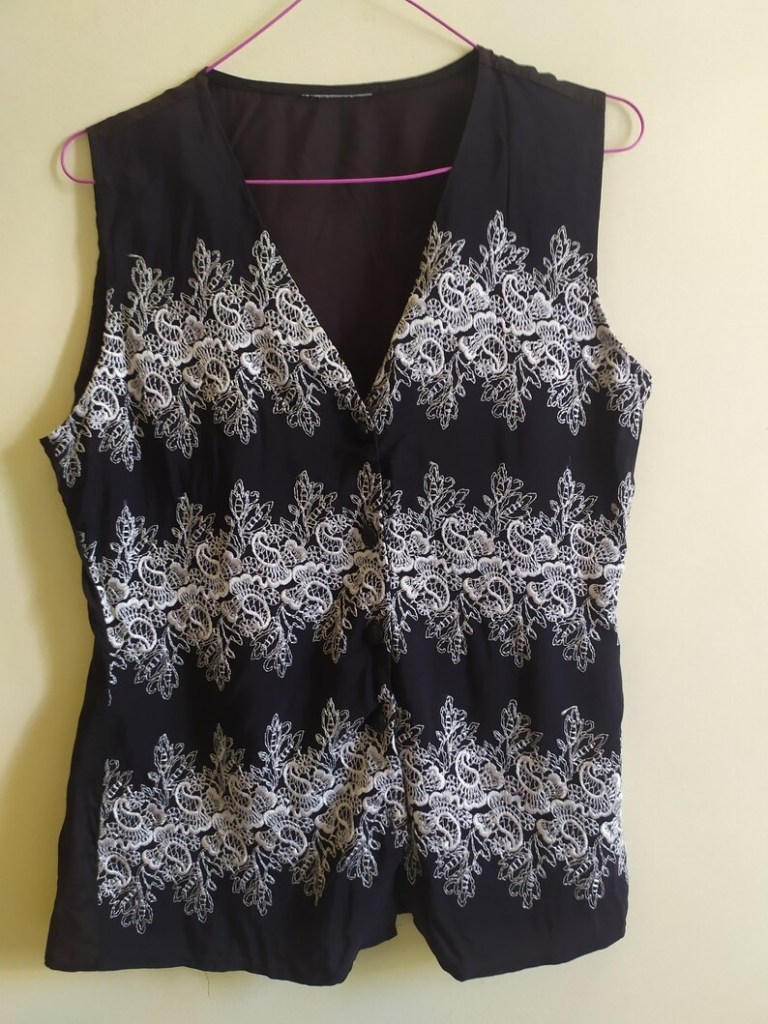
For the upper garment, look for a cropped open-front bolero shrug. Half-sleeve is preferred, but long, short, or no sleeves work, too. 80s embroidered styles, especially (the third one was made in Greece):
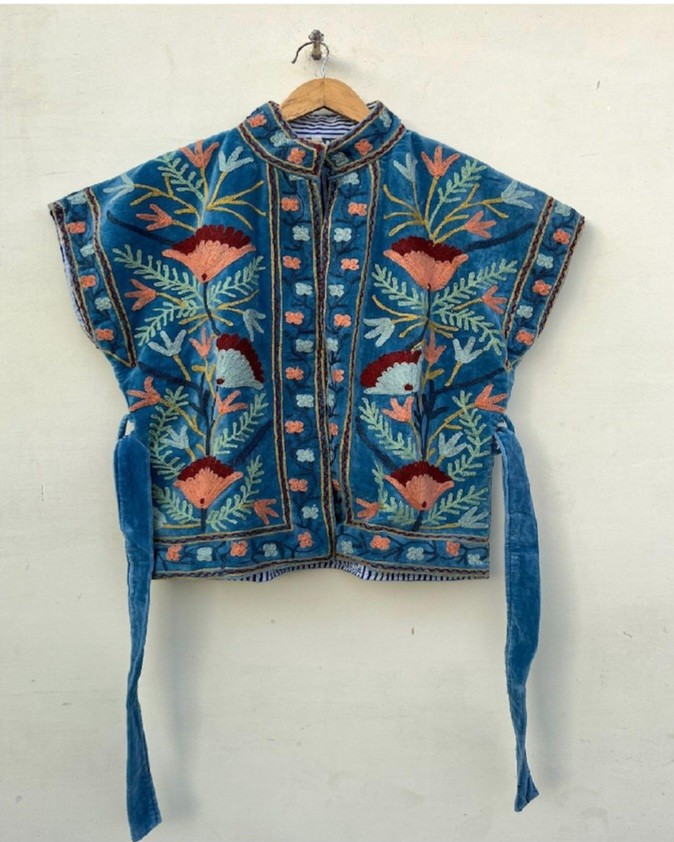
A suzani embroidered vest is a great alternative as well:
Click here for the listing on Etsy (suzani originate from Central Asia – there was so much cultural exchange back in those times, so I’m not at all surprised that there are clear similarities in traditional clothing)
Minoan Footwear
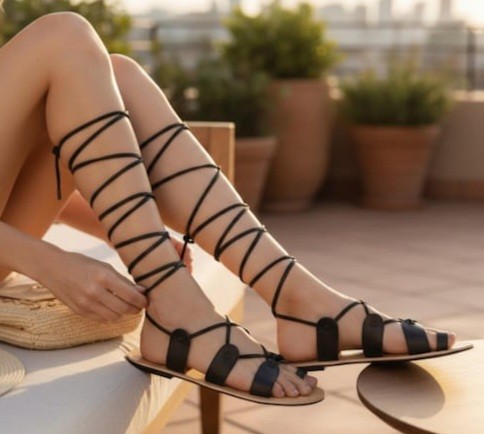
For shoes, try Greek-style strappy sandals with no heel, or you can go barefoot:
that same red lipstick can also be used to draw matching little suns on your cheeks, chin, and forehead (more Mycenaean than Minoan but still captures the Minoan vibe quite well – Mycenaean fashion was also deeply influenced by Minoan styles). I saw a reel by public historian Han Parker where she colored the top of her lipstick cap with lipstick and stamped it on her face (so clever but maybe a little too big for my liking). She then used a fine makeup brush (or you can use a cotton swab) to fine-tune it and add the smaller circles around it.
Άσπρα σαν τα σύννεφα ειν’τα βουνά εκιά πέρα. Βροχή και καταβατικοί άνεμοι κάθε μέρα!
Δόξα την Θεά που η συγκομιδή ήταν άφθονη, η ζεστασιά στα παλάτια και σπίτια μας μπόλικη.
Transliteration
Áspra san ta sýnnefa ein’ta vouná ekiá péra. Vrohí kai katavatikoí ánemoi káthe méra!
Dóxa tin Theá pou i synkomidí ítan áfthoni, i zestasiá sta palátia kai spítia mas bóliki.
English Version
The mountains in the distance, white like clouds. Rain and katabatic winds all around!
Thank Goddess the harvest was bountiful! The warmth in our palaces, plentiful.
Mount Ida during winter
Note: Similar to Modern Crete, Ancient Crete had short, mild winters (though winters on the the north end were a little harsher). To keep warm, they utilized centralized heating systems in their palaces and elite homes and implemented bioclimatic architectural designs. Besides that, simple fires, heavier clothing, and communal living spaces were commonplace. Katabatic winds are winds that blow down a slope, which are caused by gravity pulling dense, cold air downhill.